
 At the beginning of October, the SS United States Conservancy announced that its board had retained the services of a broker to explore selling the SS United States for scrap “over concerns about the organization’s long-term ability to continue financing the upkeep of the ship in the absence of firm redevelopment commitments and capital.” Since then the Conservancy has raised $100,000, which has given the organization some breathing room, although not much. With monthly expenses for berthing and other costs running at $60,000, the newly raised funds will not last long. Yesterday, the Conservancy issued a statement saying, in part:
“Progress has been made due to your commitment and we are still compiling the necessary information to help the Board fully and responsibly evaluate our current situation from a financial and redevelopment standpoint. As a result, the Board has opted to defer any additional determination about the ship’s immediate future until later this month.”
Statement on Future of SS United States
Thanks to Miro for contributing to this post.
 Off the coast of Europe, offshore wind turbines with an installed capacity of over 6,600 MW generate enough electricity to power almost five million households. In the United States, the number of households powered by offshore wind is almost zero, though, with luck that, is about to change, if only slightly. The
 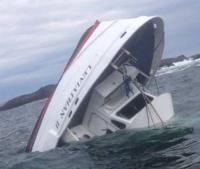 The first reports from accidents are often wrong. In the case of the capsizing of the whale-watching boat, Leviathan II, off Tofino on Vancouver Island with the loss of six passengers, the

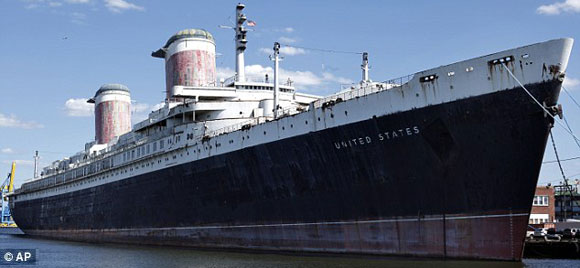 In early October, the headline in the Philadephia Inquirer was

 For several years now, we have posted about the so-called
  In 1998, the United States Naval Academy dropped celestial navigation from its curriculum. If a naval officer wished to know where he or she was, the officer simply had to read the display on a GPS (Global Positioning System) receiver. Sextants, chronometers, and nautical almanacs became artifacts of another, less technological time. Now, a decade and a the Navy has had second thoughts. Recent concerns about potential cyber-attacks on global positioning satellite software and data, which could disable or spoof GPS navigation systems world-wide, has led the