

Photo: ru.wikipedia.org/Wofratz/cc-by-sa 3.0
A group of 16 Russian scientists, monitoring climate change in the Arctic, encountered more than they had planned on. They had to be rescued when the ice beneath their station began to crack due to unusually warm weather. The Russian nuclear icebreaker Yamal reached the research station, off Canada, on Saturday, eight days after departing Murmansk. The crew of the icebreaker is expected to collect the SP-40 research station’s remaining equipment within the next four or five days. Thanks to Dave Shirlaw on the MARHST-L for pointing out the article.
Russian atomic icebreaker rescues scientists from cracked ice floe in Arctic
 The
The 
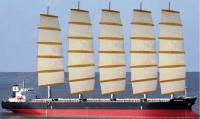 For those near New York harbor next Monday, I will be giving a presentation on “The Future of Commercial Sail” at the monthly New York City Shiplore meeting on Monday, June 10th at 7:30 PM at 79 Walker Street, 5th floor, in Manhattan.
 Award-winning author

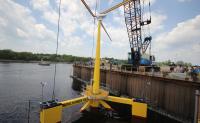
 Recently, we celebrated the