 Interesting news from the Monterey Bay Aquarium Research Institute (MBARI).
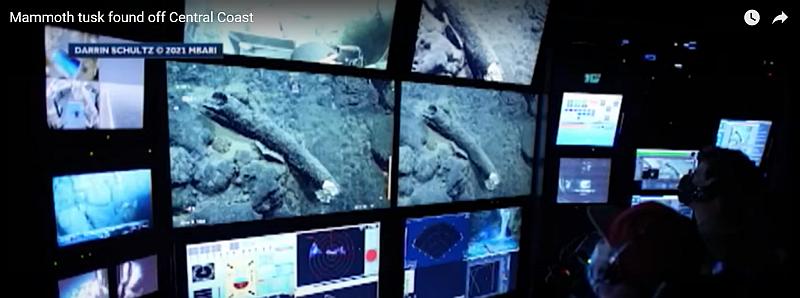
While exploring a seamount by ROV from aboard the R/V Western Flyer in 2019 the MBARI team spotted what looked like an elephant’s tusk. The seamount is located 300 kilometers (185 miles) offshore of California and is 3,070 meters (10,000 feet) deep.
Only able to collect a small piece at the time, MBARI returned in July 2021 to retrieve the complete specimen. Now researchers are examining the tusk and have confirmed that the tusk—about one meter (just over three feet) in length—is from a Columbian mammoth (Mammuthus columbi). The cold, high-pressure environment of the deep sea uniquely preserved the tusk, giving researchers the opportunity to study it in greater detail. Computed tomography (CT) scans will reveal the full three-dimensional internal structure of the tusk and more information about the animal’s history, such as its age.
“This specimen’s deep-sea preservational environment is different from almost anything we have seen elsewhere,” said University of Michigan paleontologist Daniel Fisher, one of the researchers studying the tusk, who specializes in the study of mammoths and mastodons. “Other mammoths have been retrieved from the ocean, but generally not from depths of more than a few tens of meters.”
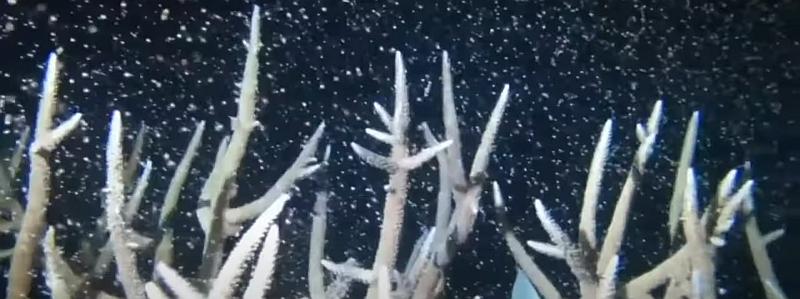 Divers and scientists recorded the massive spawning of coral in Australia’s Great Barrier Reef last week in a yearly show of life that signals hope that the world’s biggest coral reef ecosystem can recover from climate change.
 Would you rather take a voyage to the wreck of the
 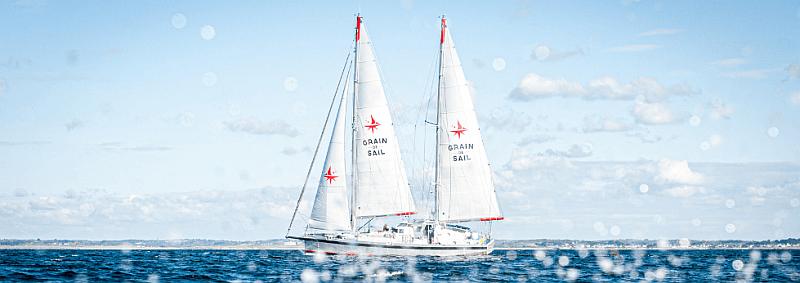 In what is described as the first carbon-free humanitarian logistics effort,
  A recent
  Happy Thanksgiving to those on this side of the pond and below the 49th parallel. (The Canadians celebrated the holiday in October.) Here is an updated repost of a story I think is well worth retelling.
 In August we posted
 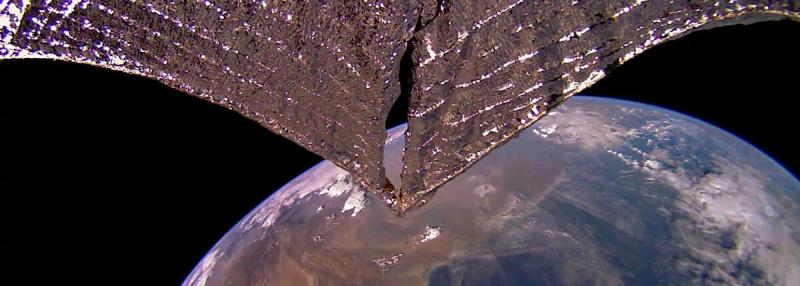 For several years, we have followed the
  Following pressure from the United States,
 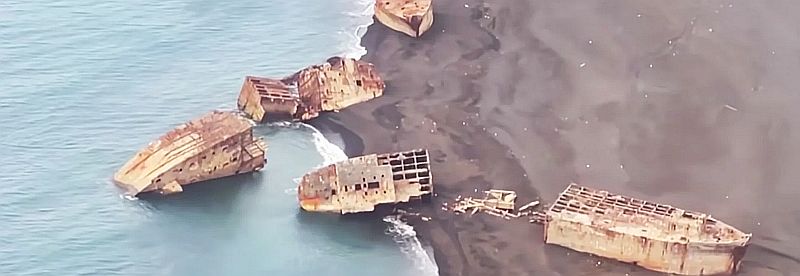 A number of small Pacific island nations, including Tuvalu, Kiribati and the Marshal Islands, are facing an existential threat from rising sea levels. According to the
 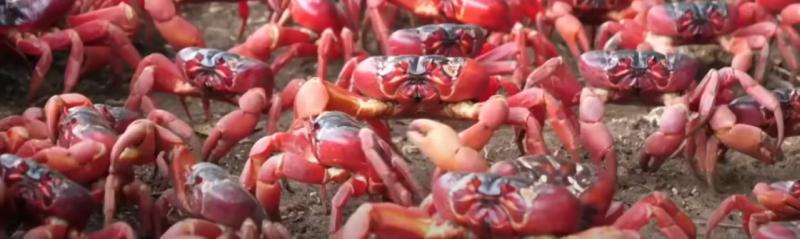 Millions of
 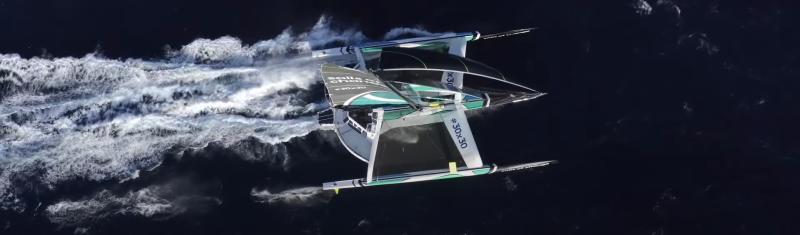 The maxi-trimaran Sails of Change (ex-