
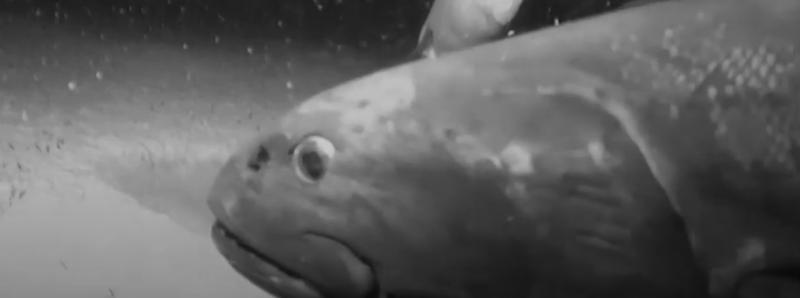
 A recently discovered large predatory fish found in deep water off the coast of Japan is a reminder that we know more about the surface of the Moon or Mars than we do about the deep oceans.
In 2016, marine biologists brought up a strange, large fish from 8,000 feet below the surface in Suruga Bay, on the Pacific coast of Honshū in Shizuoka Prefecture, Japan. The fish was over a meter long and weighed 25 kg. Subsequently, three more fish of the same type were also caught. While large bony fish are not uncommon in shallow water, they are relatively rare in the deep ocean.
 Today is
  During Black History Month, it is worthwhile to remember early African-American shipmasters. Who was the first? That is hard to say.
 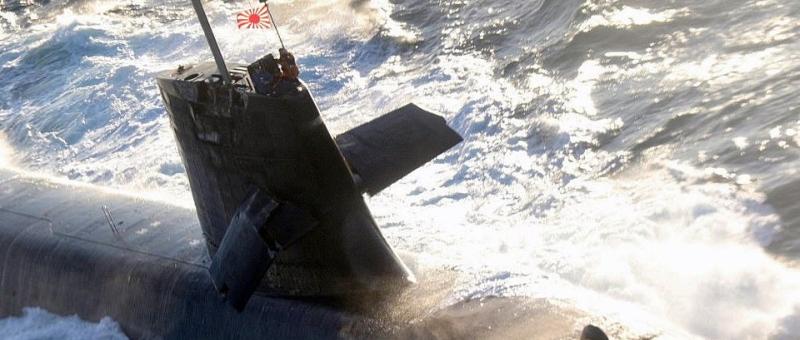 Sailors on the Japanese submarine
 In honor of Black History Month, an updated repost about the barrier-shattering naval engineer
 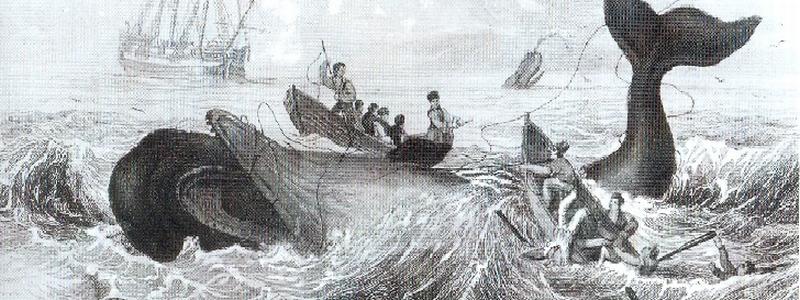 We recently posted about the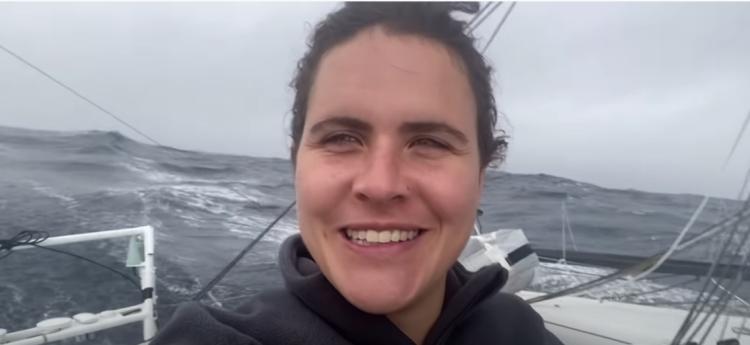
 A repost in honor of Black History Month.
  With the arrival of the newly elected administration, Harriet Tubman, abolitionist and underground railroad “conductor” is back in the news and may, before too very long, grace our currency.
 This is a bit last minute, but I see a
 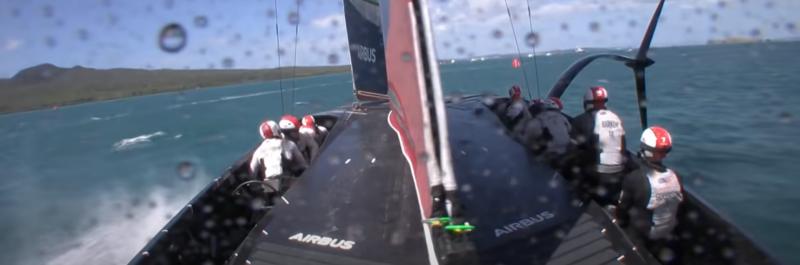 Sometimes the magic just doesn’t happen. The New York Yacht Club’s
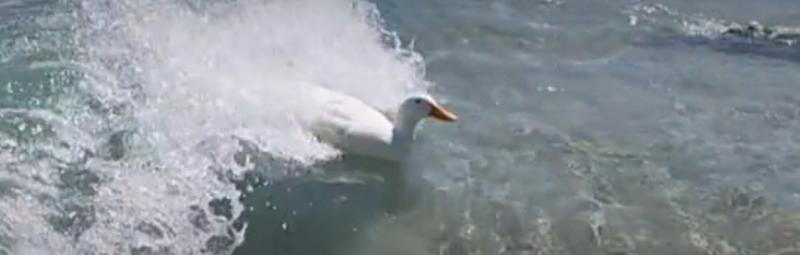 Here is a heartwarming video for a cold Saturday (at least cold here on the West bank of the Hudson River.) A body surfing pet duck on Australia’s Gold Coast has become a local celebrity for riding the waves.