
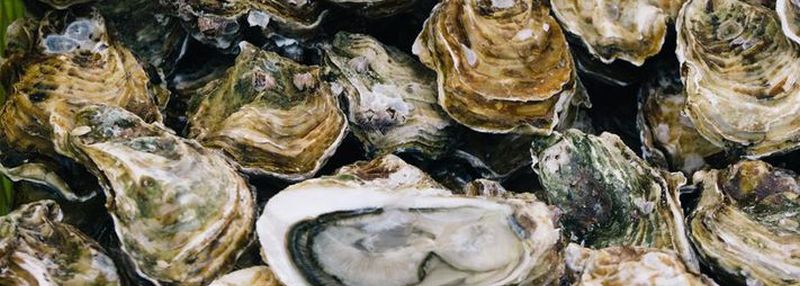
 The pandemic has been brutal to the restaurant industry. Likewise, the small-scale oyster growers of Barnegat and Delaware bays have been extremely hard hit as restaurants cut back on their orders or shut down altogether.
One bit of good news, however, is a new partnership formed by the Pew Charitable Trusts and The Nature Conservancy, intended to support the oyster industry while also helping to restore damaged and dying reefs in coastal waters.
NJ Spotlight News reports that the initiative, called Supporting Oyster Aquaculture and Restoration (SOAR), has designated $2 million to buy back some 5 million oysters from over 100 oyster farmers in New England, the mid-Atlantic, and Washington state. Once the bivalves are purchased, they are transported back to the water to be “replanted” on existing oyster reefs in need of restoration.
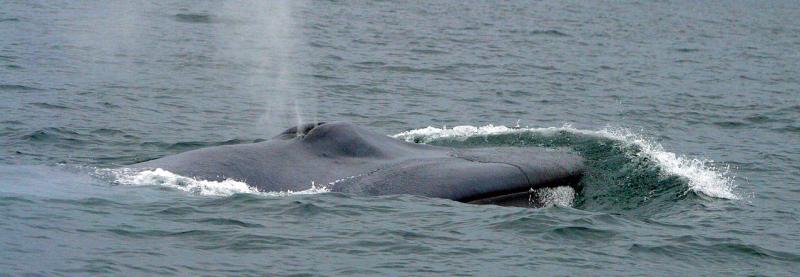 A new blue whale population has been discovered in the Arabian Sea and Western Indian Ocean according to a
 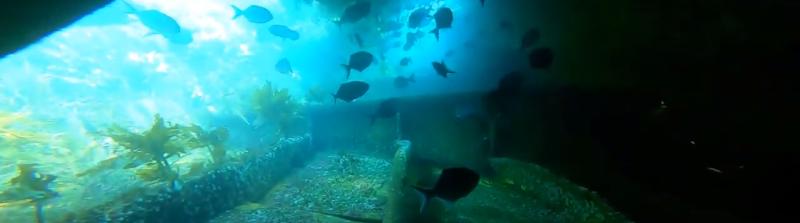 Almost a decade ago, the container ship
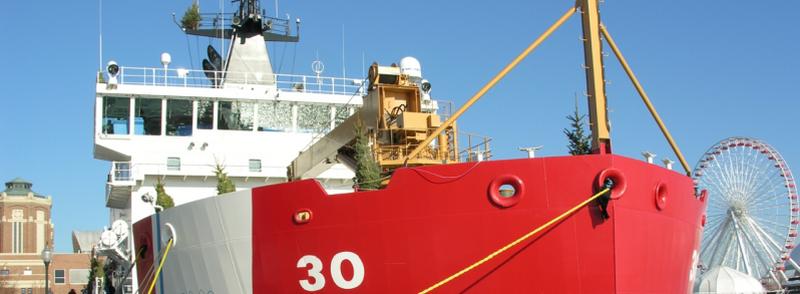 Every year, the
 Ship scrapping is a slow and methodical process. A ship is typically run up on the scrapping ways, which can be a concrete platform or a sloping sandy beach. As burners cut away the upper sections of the ship, it gets lighter and floats a little higher allowing winches to pull the ship a bit farther up the ways. As more steel is cut away the ship is pulled progressively farther ashore until the entire structure is reduced to scrap metal to be hauled away for resmelting in a local steel mill.
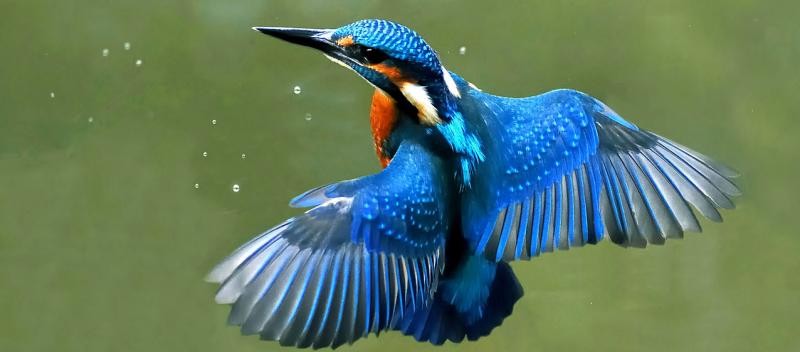 According to an ancient sailors’ legend, we are in the middle of the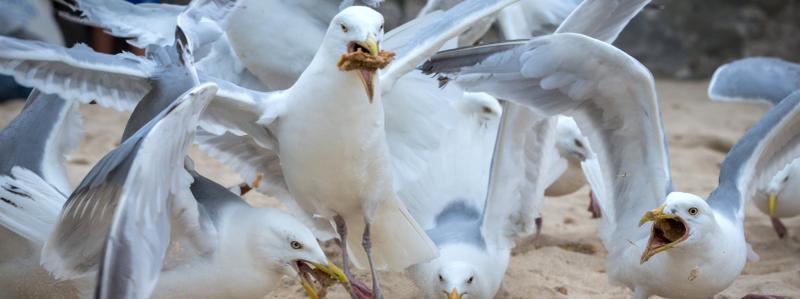
 On Monday night, December 21, the planets
 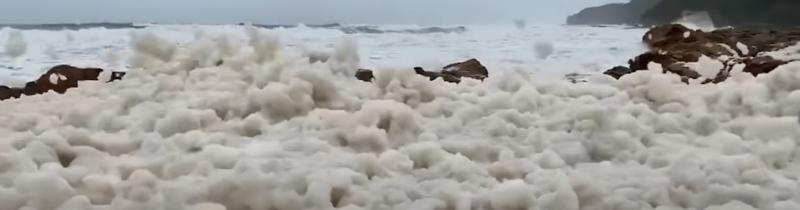 Severe weather off the east coast of Australia has left beaches in the Northern Rivers region of New South Wales and on the Gold and Sunshine coasts covered in a thick layer of sea foam, attracting crowds of curious locals, and, at least potentially, venomous sea snakes.
  At roughly this point in the last sailing of the Vendee Globe in 2016-2017,
 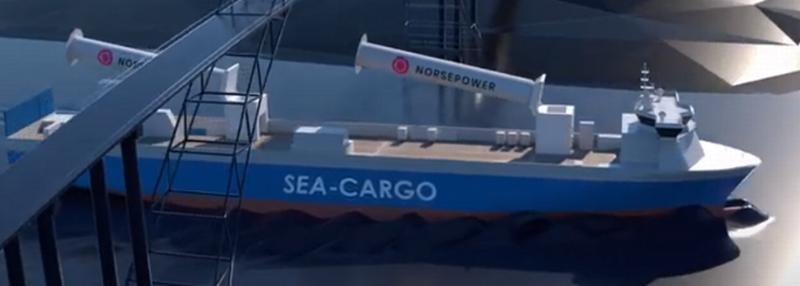 Sail-assist propulsion on commercial ships is developing rapidly, featuring a range of technologies including rotor sails, rigid wing sails, ventilated turbo sails, and even conventional fabric sails.