
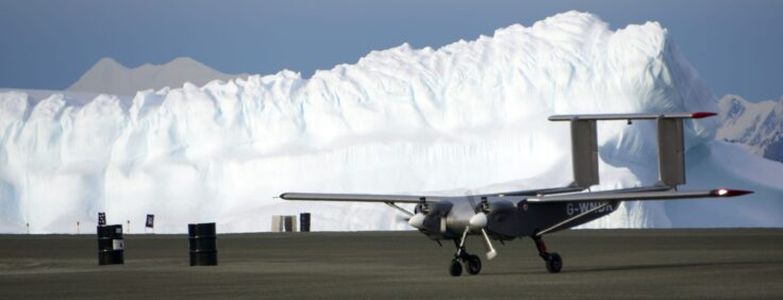
Photo: Windracers & British Antarctic Survey
This week, a team arrived at Rothera Research Station, on Adelaide Island to the west of the Antarctic Peninsula, ready to start testing the new Windracers ULTRA autonomous drone in Antarctica. If successful, the new drone platform could represent a major addition to the British Antarctic Survey’s scientific capability on the frozen continent – offering the potential to do more science at a lower cost, with a lower carbon footprint than traditional crewed aviation.
Designed for extreme environments, the Windracers ULTRA UAV (uncrewed aerial vehicle) is a fully autonomous, twin-engine, 10-metre fixed-winged aircraft, capable of carrying 100 kg of cargo or sensors up to 1000 km. Incorporating a high level of redundancy, the ULTRA can continue to fly even if one of the engines or components is damaged or fails, and has been designed to be fixed in the field with a minimal number of parts.

 Born a slave,
  The
The  The current shipping crisis in the Red Sea, precipitated by Houthi drone and missile attacks, has stopped the final disposal of the decrepit
 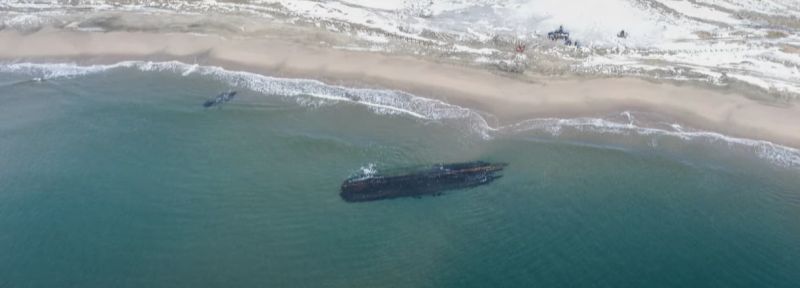 Gordon Blackmore was out hunting seabirds early in the morning on
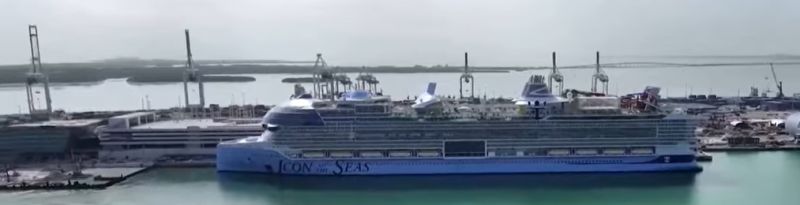 On Saturday, the world’s largest cruise ship, Royal Caribbean’s
 On
On 
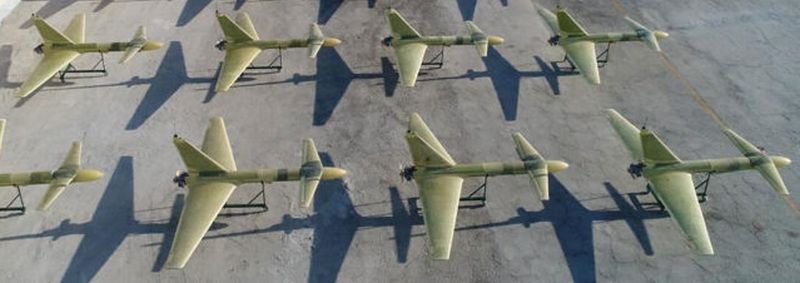 Reports suggest that
 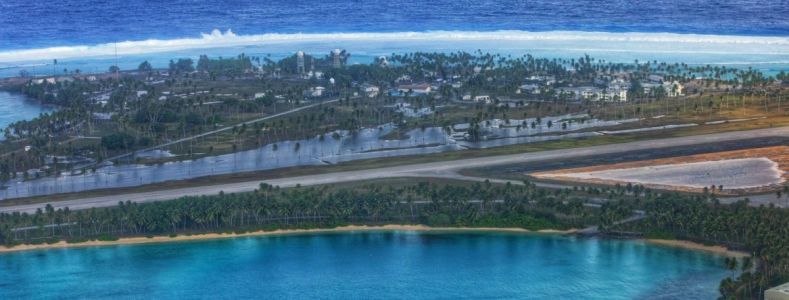 Last Saturday, January 20, a series of massive storm-driven waves struck the island of Roi-Namur in the Marshall Islands causing considerable flooding and damage to the
 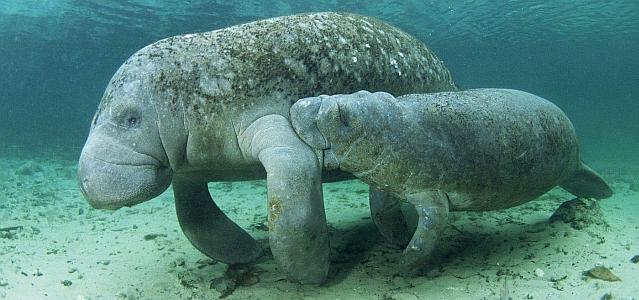 Encouraging news! Following a
 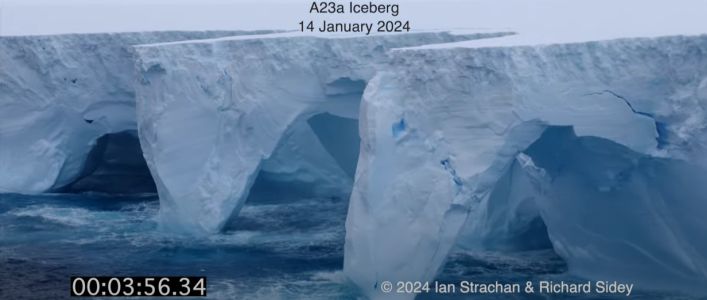 In 1986, a massive iceberg, more than three times larger than New York City, calved off West Antarctica’s Filchner-Ronne Ice Shelf and immediately grounded on the floor of the Weddell Sea, where it remained stuck for almost four decades.
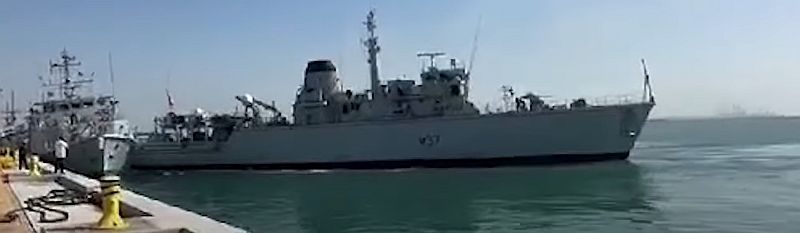 UK Royal Navy minehunter