 HMS Birkenhead was one of the first iron-hulled ships built for the Royal Navy. She was designed as a steam frigate, but was converted to a troopship before being commissioned in 1851.
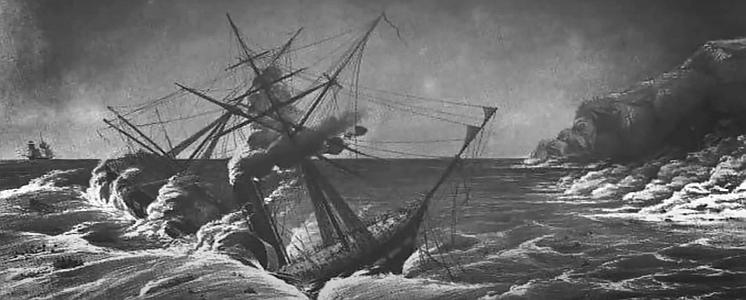
While transporting troops and a few civilians to Algoa Bay, the Birkenhead was wrecked on 26 February 1852 at Danger Point near Gansbaai, 87 miles (140 km) from Cape Town in the Cape Colony of South Africa. There were insufficient serviceable lifeboats for all the passengers, and the soldiers famously stood in ranks on board, thereby allowing the women and children to board the boats safely and escape the sinking.
Only 193 of the estimated 643 people on board survived, and the soldiers’ chivalry gave rise to the unofficial “women and children first” protocol when abandoning ship, while the “Birkenhead drill” of Rudyard Kipling’s poem came to describe courage in the face of hopeless circumstances.
Continue reading
 In honor of both Women’s History Month and Black History Month, an updated repost about Gladys West.

 In honor of both March’s Women’s History Month & February’s Black History Month, an updated repost about the barrier-shattering naval engineer
  During Women’s History Month, it is good to remember and to honor
  I was stunned and saddened to read that shanty singer and folklorist
  In 2019, we posted about
  Sad news. The
  On the first day of Women’s History month, something a bit different.
  Yesterday, the