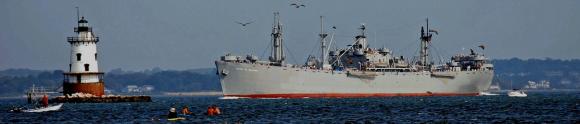
 Of the more than 2,700 Liberty ships built during World War II, only two are still operational in the United States. One, the John W. Brown, now docked in Baltimore, may become homeless when its five-year agreement for free berthing at Rukert Terminals’ Pier C in Canton, Maryland expires at the end of next September.
The Baltimore Sun quotes, Richard Bauman, 65, a retired ship pilot for the state of Maryland who serves as captain and master of the John W. Brown, saying “We’ve spent a good bit of time looking for a new, permanent home, but we haven’t really had a whole lot of luck. They’re not going to throw us out, but they run a business, and they would like to have us find a place where we can stay permanently.”
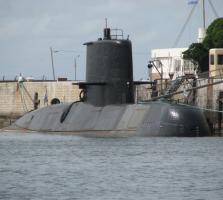 One year after the submarine
  We recently
 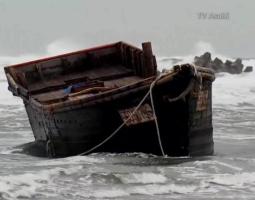 For several years, autumn and winter winds have carried a ghost fleet of derelict boats to the coast of northern Japan. Many of the boats were empty, although some carried corpses.
 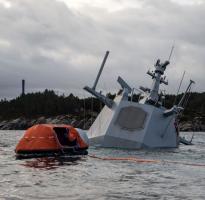 Overnight, the Norwegian frigate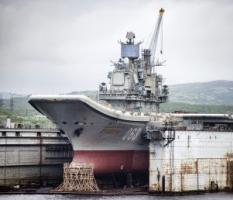
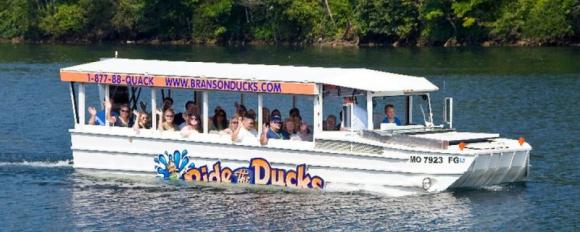 On July 19th, 2018, a
  How is it possible that the Norwegian frigate
  The Norwegian navy frigate,
 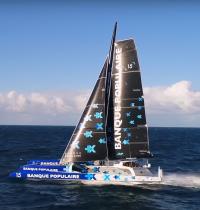 French sailor
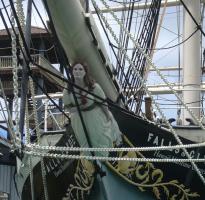 Save-the-Falls of Clyde International