
 Barrier-shattering naval engineer Raye Montague has died at the age of 83. At the age of 7, she was inspired to become an engineer after she toured a captured German submarine with her grandmother during World War II. As an African-American girl, however, she was told that becoming an engineer was simply not an option.
Thirty years later, Raye Montague became the first person to use a computer program to rapidly develop a preliminary ship design for the U.S. Navy. The design process had previously taken the Navy two years. Montague completed the preliminary design of the Oliver Hazard Perry Class frigate in less than 19 hours. Her accomplishment revolutionized the way the Navy designs ships and submarines.
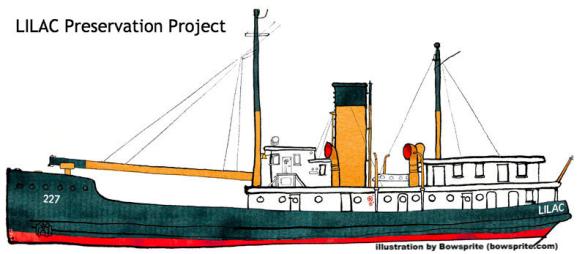 This Saturday, October 20, from 1:00 to 5:00 PM at Manhattan’s Pier 25, at West Street and N. Moore Street, on the Hudson River, the retired
 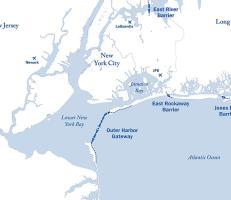 After the flooding caused by
  Here is another old favorite, a companion repost to yesterday’s repost of
  I am traveling this week, so it seems like a good time to repost an old blog favorite, the remarkable story of the unsinkable Hugh Williams.
 On the resort beaches of the Yucatan Peninsula masses of stinking


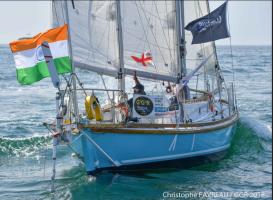 Ocean racing seems to have been taken over by boats made entirely of carbon fiber, costing slightly more than their weight in gold, as well being as festooned with foils, articulating keels and every high-tech whiz-bang device that millions of dollars can buy. There is something very appealing to the idea of reverting back to a simpler time with simpler boats and gear.
  Researchers at MIT’s
 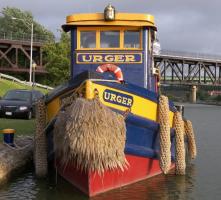 The New York State Canal Corporation’s website still refers to the tug Urger as the “
 The State of New Jersey has opened the bidding on a