

Photo: arcticmission.com
In 2003, Pen Hadow walked to the North Pole. He became the first person to trek to the Pole solo without being resupplied. Now, Pen Hadow is returning to the North Pole, but he won’t be able to walk. The Arctic ice pack has become too thin to repeat his previous expedition. So, he will soon be setting off with a crew of ten in an attempt to sail two yachts to the Pole. The expedition will set off from Nome in Alaska in early August. The expedition team will not see land again for six weeks and is expected to cover about 3,500 miles by the time they return to Nome in mid-September. They will be sailing the 52′ Bagheera and 49′ Snow Dragon II, two ice-strengthened sailing vessels.
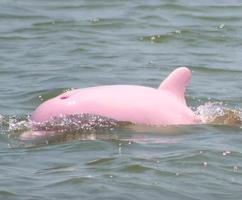 Updating a previous post for Throw-Back Thursday. Two years ago,
  Rivers have always made the best highways. On Monday, a massive
 Australian waters can be dangerous. Over the years we have posted about attacks by
  In mid-July we posted about a
  These have been rough times for US destroyers and cruisers deployed to Japan. The US Navy has found that the former commanding officer of the
  When dredging a harbor with as long and rich a history as UK’s Portsmouth, there is literally no telling what you may find. The harbor is now being dredged to deepen and widen a four-mile channel to allow the the navy’s new 65,000-tonne aircraft carriers, HMS
  Recently, Lt. Taylor Miller of the U.S. Coast Guard was featured in an
 The best thing that can be said about the “rebuilding” of the Canadian schooner
  The disappearance of Malaysian Air flight MH370, which vanished in March 2014 en route to Beijing from Kuala Lumpur with 239 people on board, remains one of the worlds greatest aviation mysteries. After surveying over 120,000 square kilometers of Indian Ocean and reportedly spending $160 million, the
  Last weekend, we sailed by living history in Oyster Bay. As we were heading toward the gas dock, a beautiful gaff rigged sloop sailed by. It was Christeen, the oldest oyster sloop in the United States. Built in 1883 in Glenwood Landing, New York, she returned to the hamlet of Oyster Bay, New York in 1992. Over the next seven years the