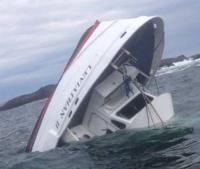
 The first reports from accidents are often wrong. In the case of the capsizing of the whale-watching boat, Leviathan II, off Tofino on Vancouver Island with the loss of six passengers, the initial reports from CBC News said that the vessel was originally a tug boat that had been modified as a whale watching boat. They also reported that the “refitted Leviathan II didn’t have to undergo more stringent stability tests outlined by Transport Canada that are reserved for larger vessels.” (In our blog post, we repeated these statements with a link back to the CBC article.)
Apparently, these statements were not accurate. Transport Canada, in response to this and related reporting, issued a statement saying that the MV Leviathan II did undergo both a stability assessment and an inclining test when it was refitted in 1996. An inclining test is a means of accurately determining a ship’s vertical center of gravity (VCG), which is a critical component of determining a ship’s stability. Once an accurate VCG has been calculated based on the results of the inclining tests, the ship owner must present calculations demonstrating that the vessel meets all stability requirements in accordance with national requirements. According to Transport Canada, Leviathan II met all stability requirements.
So, why did Leviathan II capsize? Continue reading
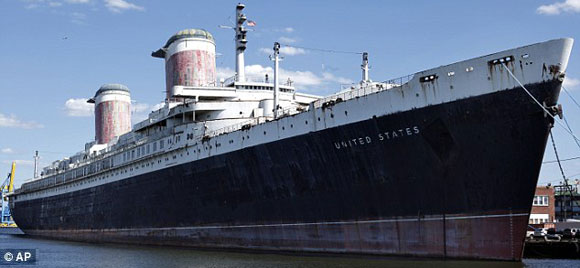 In early October, the headline in the Philadephia Inquirer was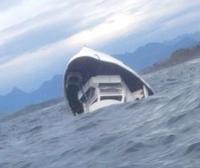
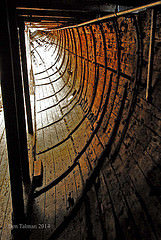
 For several years now, we have posted about the so-called
 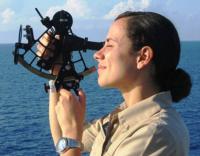 In 1998, the United States Naval Academy dropped celestial navigation from its curriculum. If a naval officer wished to know where he or she was, the officer simply had to read the display on a GPS (Global Positioning System) receiver. Sextants, chronometers, and nautical almanacs became artifacts of another, less technological time. Now, a decade and a the Navy has had second thoughts. Recent concerns about potential cyber-attacks on global positioning satellite software and data, which could disable or spoof GPS navigation systems world-wide, has led the
  When Ferdinand Magellan rounded the tip of South America in 1521, he encountered favourable winds. He named the ocean Mar Pacifico meaning “peaceful sea” in Portuguese. Today,
 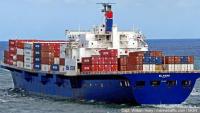 Yesterday afternoon, the