
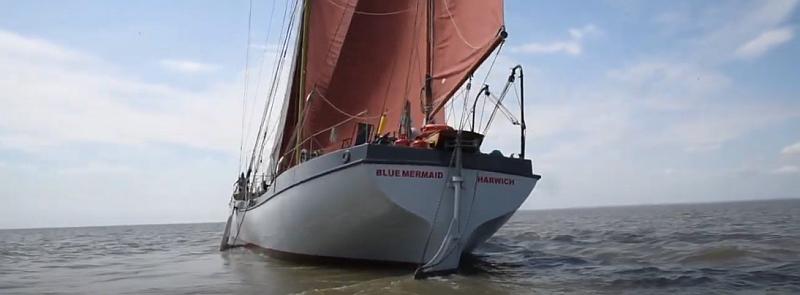
 In 2019, we posted about Blue Mermaid, the first sailing barge built for trade in Britain since 1930. Recently, the Maritime and Coastguard Agency has granted permission to the Sea-Change Sailing Trust, which owns the Blue Mermaid, for the barge to carry cargoes of up to 110 tonnes, between Lowestoft and Sandwich – and up the Thames. Blue Mermaid is also the first UK-registered sailing vessel to be authorized as a commercial cargo carrier since the 1970s.
The sailing ship trust, which provides training and education for young people and vulnerable adults is working with Brightlingsea-based Essex Cement to carry cargo within its authorized range.
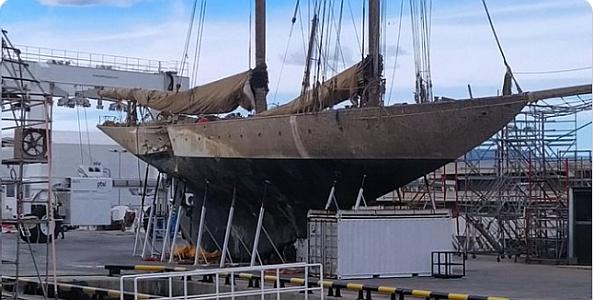 Sad news. The
  On the first day of Women’s History month, something a bit different.
  Yesterday, the
 Eighty-one years ago today on February 24, 1941, the overloaded and unseaworthy
  During Black History Month, it is worthwhile to remember early African-American shipmasters. Who was the first? That is hard to say.
 On February 21, 1862,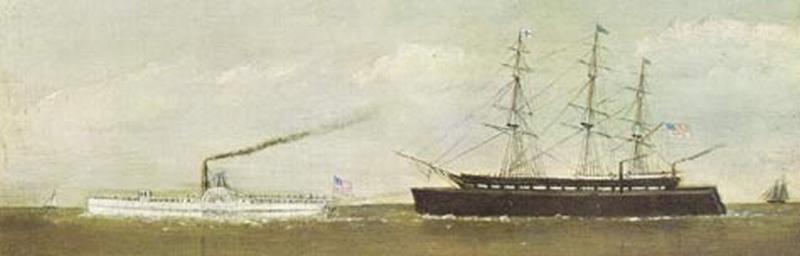
 On February 17, 2010, thirteen years ago today, the