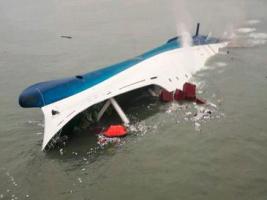
 On the morning of April 16, 2014, the ro-ro/passenger ferry MV Sewol, traveling from Incheon to Jeju in South Korea, capsized and sank. Of the 476 passengers and crew, 304 died, including 250 students on a class trip. Questions as to why the overloaded and unstable ferry was allowed to sail, combined with the inept rescue and recovery efforts, directly contributed to the impeachment of South Korean President Park Geun-hye.
Now a gripping documentary, In the Absence, directed by Yi Seung-Jun and Gary Byung-Seok Kam, looks at the events of the sinking and its aftermath. The documentary has been nominated for an Academy Award for Documentary (Short Subject). The 28-minute documentary allows the tragic story to unfold using radio transmissions between the ship and the Korean Coast Guard, along with video and commentary by survivors, their families, civilian rescue divers, and poignantly, even the victims, captured from video on cell phones recovered from the sunken ferry.
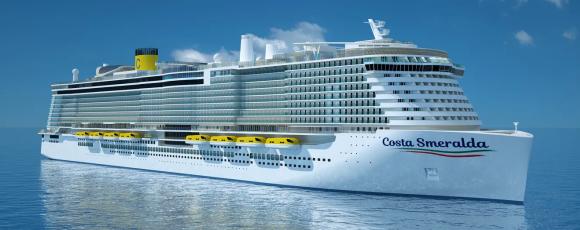 UPDATE: The illness which sickened a passenger was determined not to be the coronavirus and the 6,000 passengers and crew were allowed to disembark from the Costa Smeralda. Two cases of the coronavirus, not related to the cruise ship, were diagnosed in Rome, however.
 Four years ago, we
 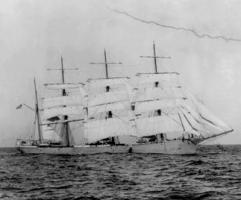 On January 28, 1915, the US flag four-masted bark
  More than thirty years ago, I sat on the rotting planks of the old Pier 17 in the East River in Manhattan and listened to Bernie Clay and the X-Seaman’s Institute sing a song about the schooner Alice S. Wentworth. The song became known as the “
 On New Year’s Eve, in 20-foot seas and high winds, the 130′ crab boat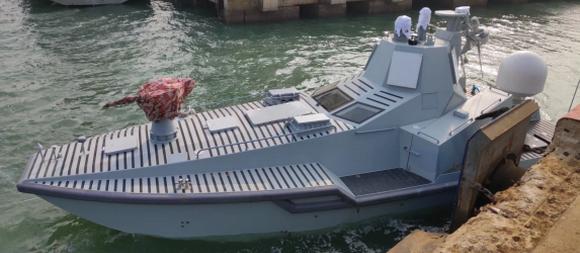
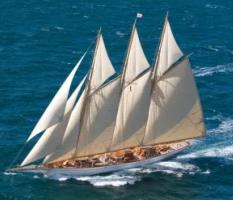
 The
The 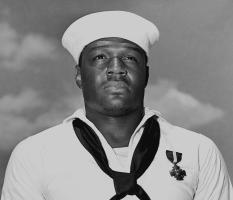 Today, on Martin Luther King, Jr. Day, the US Navy officially named the newest of the future
 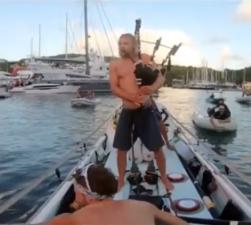 Congratulations to
 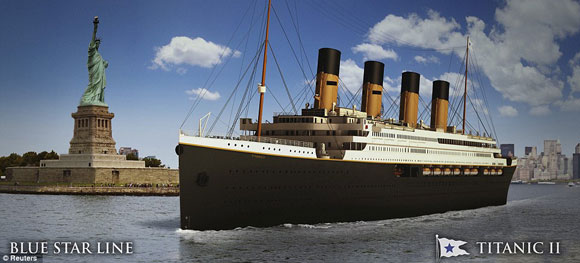 Will the Titanic II ever be built? And if so, when will it sail?