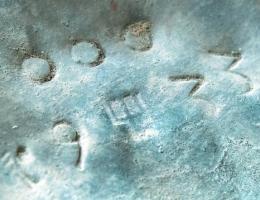
Copper plate bearing Fugger family marks
In early January, we posted about the containership ship MSC Zoe which lost 350 containers over the side in a storm off the Frisian Islands of the Netherlands. Now, a Dutch salvage team, looking for lost containers from the Zoe, has discovered a shipwreck believed to date from around 1540 on the North Sea bottom.
The shipwreck is said to be the oldest sea-going ship ever found in Dutch waters. The ship was loaded with copper plates bearing the symbol of the Fugger family, a merchant banking family based in Augsburg in Germany, which for a time also held a monopoly over copper production. The ship estimated to be 30m by 7m could have been carrying as much as 5,000 kg (five tonnes) of copper.
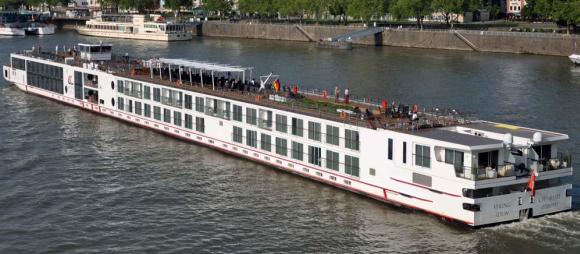 Just after Midnight, on April 1, the river cruiser
 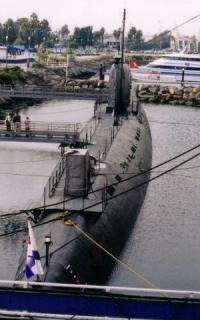 Are you interested in acquiring a
 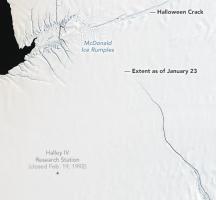 For several months now,
  If you happen to have been on the Hudson or East River waterfront in Manhattan recently, there is a good chance that you might have seen a
 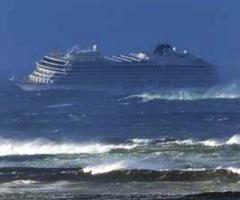 Last weekend, the cruise ship Viking Sky, with over 1,300 passengers and crew aboard,
 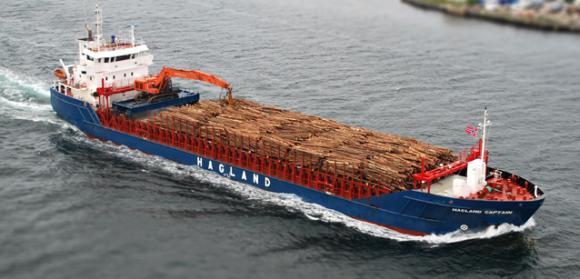 When the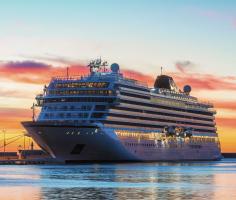

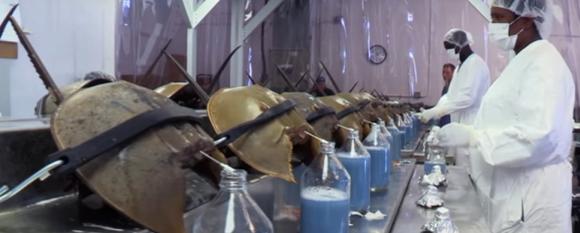 Horseshoe crabs are an ancient variety of arthropods, which are not actually crabs. Having remained largely unchanged in about 450 million years, the horseshoe crab is considered by many to be a living fossil. One of the reasons that horseshoe crabs have survived so long is that they have a highly robust immune system. Indeed, the horseshoe crab’s bright blue blood has remarkable antibacterial properties.
  Last month we