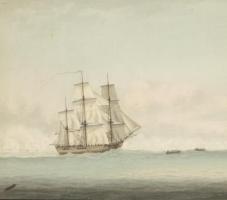
HMS Endeavour off the coast of New Holland, by Samuel Atkins
We are within days of the 250th anniversary of when Captain James Cook set off on an epic circumnavigation, stopping at numerous islands in the Pacific, as well as Australia and New Zealand on the bark HMS Endeavour. Now, the Rhode Island Marine Archaeology Project (RIMAP), working with the Australian National Maritime Museum (ANMM), has come closer than ever to locating the wreck of Cook’s bark Endeavour in the waters off Newport, Rhode Island.

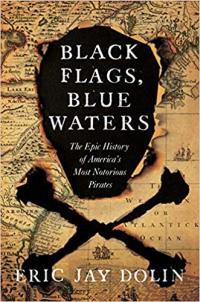 What is it about the pirates of the so-called “Golden Age” that holds our attention over the centuries? The period has been romanticized and fictionalized in books, British musicals, Hollywood movies, and cable TV shows. Where do the legend and lore end and the history begin?
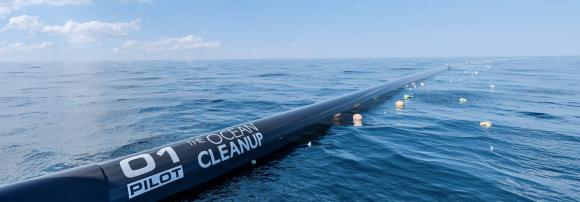 About five years ago, a 19-year-old Dutch engineering student, Boyan Slat, made a big splash, at least on the internet, when he unveiled his design of refuse collecting booms, which he claimed would
  In 2010, a North Carolina state commission report predicted that sea levels on the state’s coast could rise as much as 39 inches by the year 2100, flooding billions of dollars’ worth of real estate and crippling much of the state’s economy. Instead of taking action to mitigate the damage, the
 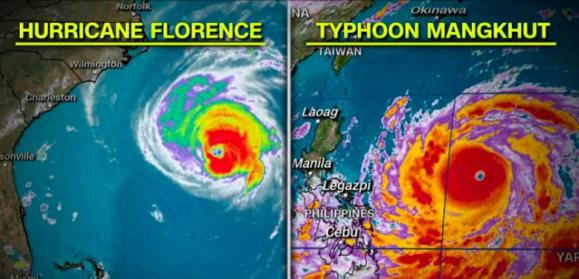 Two monster storms are bearing down on vulnerable coastlines on opposite sides of the globe. In the Atlantic,
 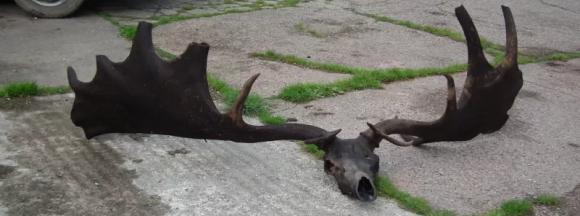 Two Northern Irish fishermen were fishing for pollan, a whitefish native to Ireland, in Lough Neagh. Instead, fishermen Raymond McElroy and Charlie Coyle netted the antlers and skull of a Great Elk, a species which disappeared from Ireland 10,500 to 11,000 years ago. The nearly intact skull, with its antlers still attached, measures 6 feet across. Four years ago, a lower jaw bone of a Great Elk was pulled from Lough Neagh in almost the same spot, which may suggest that it belonged to the same deer as this skull and antlers.
 This weekend I enjoyed watching the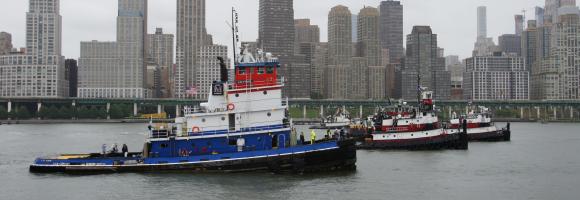
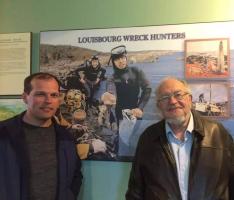
 Testing has begun
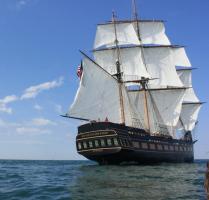 Oliver Hazard Perry Rhode Island (OHPRI), the non-profit organization behind Rhode Island’s Official Tall Ship