 Happy Labor Day! While many nations celebrate workers on May 1st or May Day, US and Canada both celebrate workers rights in early September. It seems a good time to look at the nautical origin of the word “strike,” referring to workers withholding their labor to demand better wages or conditions.
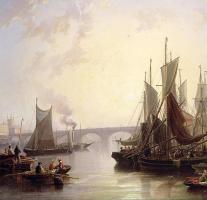
The first use of the word “strike” as a labor protest dates to April of 1768 when sailors in the Port of Sunderland in Great Britain announced that they would strike the topsails of merchant ships to prevent them from sailing unless wages were increased. The ship owners agreed to their demands. In May, sailors on ships in the Thames followed their example and struck their topsails. The sailors petitioned Parliament and the Lord Mayor for a wage increase. By May 11, fourteen thousand sailors, dock workers, water-men, and coal-heavers marched on Westminster. Soon, all trade on the Thames had been brought to a standstill.
Ironically, the new use of the word strike reversed its previous meaning. In battle, when a ship struck, it was an act of surrender. When the sailors struck, it was an act of defiance. The word strike soon spread to describe any work stoppage.
 Tomorrow, September 4th, a memorial service honoring the life of
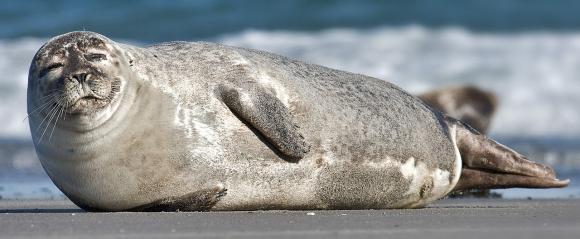 While many have been focused on the massive die-offs of fish and sea life off the South Florida coastline triggered by a combined outbreak of red tide and blue-green algae, all is not well along the New England coast either. An
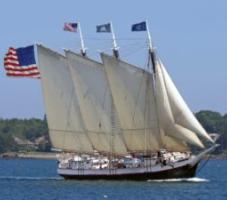 The grand matriarch of the Maine Windjammer fleet, the schooner
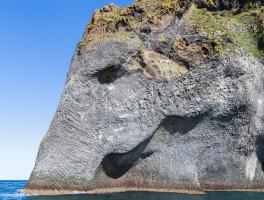 On the 21st of January, 1973, the island of
  There have been several recent encounters between boats and whales. Fortunately, neither whale nor humans appear to have been injured. The most serious took place off the Jersey Shore.
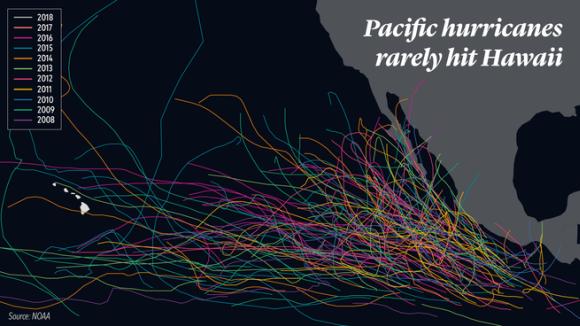 The good news is that Hurricane Lane has been downgraded to a Category 4 hurricane. The bad news is that it is still heading straight for the Hawaiian islands. The storm’s outer bands have been pounding parts of Hawaii’s Big Island with rain Thursday morning, triggering landslides and threatening serious flooding. The hurricane is the first major cyclone to make landfall in the state in 26 years when
 In July