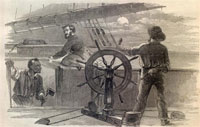
William Tillman retakes the schooner Waring
A post in honor of Black History Month. On Throwback Thursday, a slightly revised post from July, 2011.
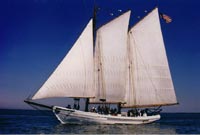
William Tillman was the first black hero of the American Civil War. He was not a soldier but rather a 27-year-old cook-steward on the schooner S.J. Waring. On July 7, 1861, the schooner was captured by the Confederate privateer Jefferson Davis while about 150 miles from Sandy Hook, New York. Captain Smith, the master of the S.J. Waring was taken aboard the Jefferson Davis, and a five man prize crew was put aboard the schooner, with orders to sail her to a Southern port where the ship and her cargo would be sold.
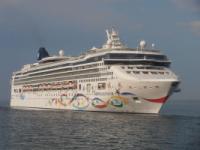 Azipods
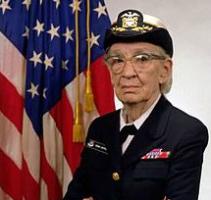 Yale University has announced that it is renaming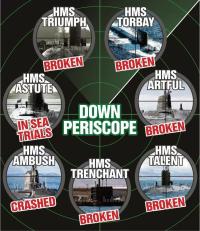
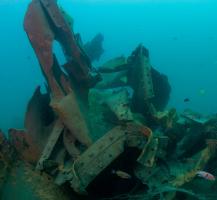
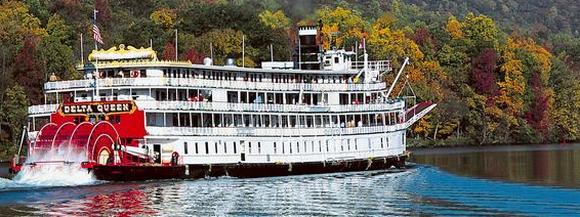 Is the classic 1927-built stern-wheel steamboat
 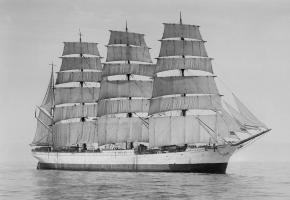 Given that so much of what is happening in the world today seems like a shipwreck, it seems appropriate to post a very well done short documentary of the wreck of the great four-masted steel barque the Herzogin Cecilie, which grounded off south Devon on April 25, 1936, the last windjammer to be wrecked on the English coast.
 Recently, a
 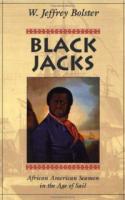 I read