From New Scientist: As new ways of analysing the world around us are developed, new ways to visualise that information are needed. At the recent Eurographics Symposium, held in Berlin, traffic in shipping traffic near Rotterdam was mapped on both calm and rough weather days.
On a rough day it is clear that the shipping lanes have broken down, and that shipping density doesn’t get so high. The slow-moving vessels produce darker, more defined trails. Click the images below for larger images:
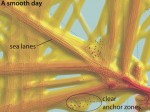
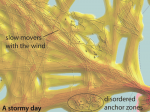
The new visualisation method was developed by Niels Willems at Eindhoven University of Technology, the Netherlands, with colleagues Huub van de Wetering, and Jack van Wijk.
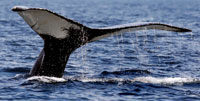 In honor of our unexpected whale watching in New York harbor, we are taking a brief look at whale watching around the country this summer. It has been an interesting summer indeed. After staying off shore for several years,
  As reported by the Stockholm News –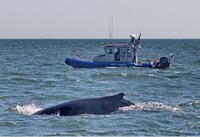

 There will be a
  Perhaps it is the thought that counts. Swiss lawmakers have decided against joining EU anti-piracy efforts because it would violate the country’s long-held tradition of neutrality. The land-locked country lacks a blue water navy so could not send a ship or ships to support the efforts but had considered sending thirty military support personnel. The Swiss navy does operate ten patrol boats on Lakes Konstanz and Leman. Thirty-two merchant ships in international trade fly the Swiss flag.
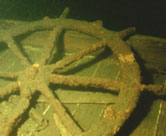 The Lake Champlain Maritime Museum is hosting an Archeology Weekend tomorrow and Sunday. it will include presentations on Lake Champlain shipwrecks and feature some of their latest explorations including early steamboats, gunboats, sailing vessels and canal boats. There will be special demonstrations in the Conservation Lab, lectures and films and presentations on what threatens the lake’s collection of shipwrecks and what you can do to help protect and preserve underwater cultural resources.
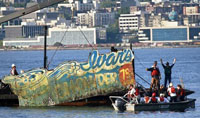 We previously posted about the
 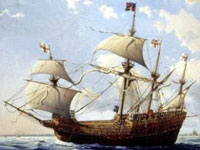 Depending on how you look at it, there is either good or bad news about the
  An update to our previous post –
 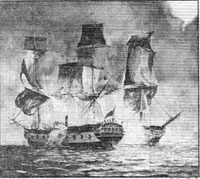 In honor of John Paul Jones’ victory in the Battle of Flamborough Head where he captured HMS Serapis on this day 230 years ago, we offer two works from the archives. (For those who have not yet discovered it, the
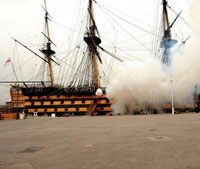 Last Friday the