 Good ideas are rarely new. Container ships revolutionized liner shipping in the 1960s and 70s. Nevertheless, the idea of carrying cargo in easily handled standardized containers goes back at least 2,000 years.
I was reminded of this when reading about the recent discovery of a shipwreck found near the fishing port of Fiskardo on the north coast of Kefalonia, Greece, dating between 1 BC and AD 1, according to Greek researchers. The upper portion of the 34-meter Roman ship is gone, but its cargo of an estimated 6,0000 amphorae is in remarkably good shape. The Daily Mail notes that the Fiskardo shipwreck is one of the largest four found in the Mediterranean Sea, and the largest yet found in the eastern Mediterranean.
An amphora is a distinctive type of clay container usually with two handles, a narrow neck, and often a pointed base. It was widely used in early Mediterranean shipping to carry both liquids and dry goods. While they are commonly associated with wine, they were also used to transport grains and other goods that needed protection from the weather. They came in a variety of different sizes ranging from 5′ tall to less than a foot high. Most were around 3′ tall and carried around 100 pounds of cargo. The pointed end made them easy to sit upright in sand or soil and they could either be carried by one or two persons using the handles or be rolled up a ramp to the ship for loading. Continue reading →
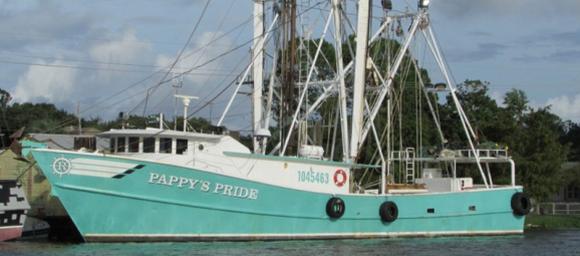 On Tuesday around 3:35 PM the Coast Guard in Galveston, TX was notified that a fishing boat, the 82′ long Pappy’s Pride, had collided with the 600-foot chemical tanker Bow Fortune. The fishing boat had capsized and four crew were in the water. One crew member was subsequently rescued, one died and two remain missing. The tanker was reported to be under pilotage at the time of the collision. Heavy fog was also reported to have limited visibility and to have hampered the search for the missing crew.
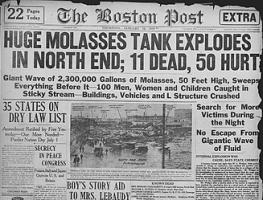 We are having a relatively warm January with significantly fluctuating temperatures. Similar weather conditions 101 years ago, coupled with a shoddily built storage tank, caused the Great Boston Molasses Flood, which inundated Boston’s North End sending a wall of molasses, killing 21 and injuring 150. A repost about the tragedy.
 There are so few well-done documentary series involving ships and the sea that it seems worth pointing out that the excellent
 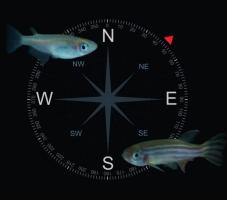 Six years ago,
  One of the better ways to tell if a model works at predicting the future is to run it in reverse to see how well it predicts the past. Climate change models so far have had their limitations. Most current
  In addition to more than 24 people who have died in the terrible Australian bushfires, an incredible number of animals have also perished. Estimates of wildlife deaths range from
 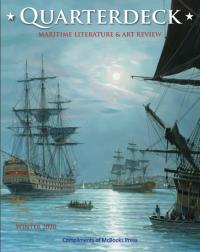 The Winter 2020 edition of
 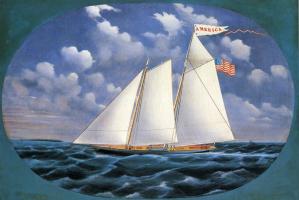 Shortly after winning the Sydney Hobart Race for the third time, the
 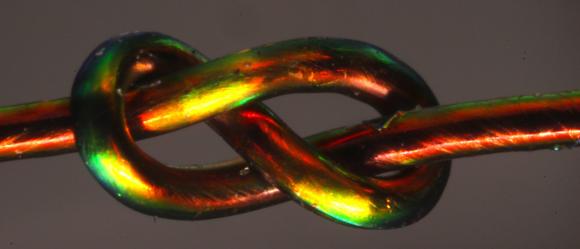 An interesting new technology, involving special fibers that change color when they are under strain, is allowing scientists to analyze the efficiency of knots. The technology is described in a recent paper by a team lead
  Just before the New Year,
  As we have