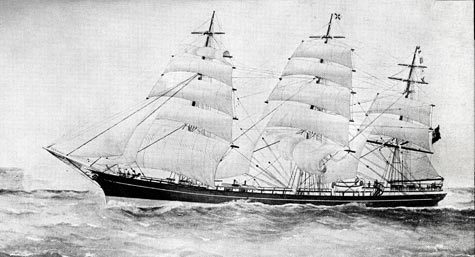
British Isles
We recently have had several posts regarding rogue waves – a review of Susan Casey’s new book The Wave and the BBC Documentary Freak Waves. Oceanographers generally dismissed reports of rogue waves as wild exaggerations or “sea stories,” until a rogue wave was documented hitting the Draupner platform in the North Sea off the coast of Norway on January 1, 1995. While rogue waves may not have been scientifically documented until 1995, ships’ captains have been reporting them for many decades. Here is an account of a rogue wave from the deck of three masted windjammer British Isles attempting to round Cape Horn in the winter of 1905. The account sounds almost exactly like the descriptions given in the BBC documentary by two ship’s captains of cruise ships struck by rogue waves almost a hundred years later.
From Captain James P. Barker’s memoir, The Log of a Limejuicer:
At that moment the moon, which had been hidden behind a thick blanket of scurrying clouds, broke through a rift to reveal a scene which caused me to gasp with astonishment and awe. . . . There, stretching endlessly north and south, a mighty wall of water, towering high above its fellows and making them appear insignificant by comparison, was rolling towards the British Isles.
Continue reading →
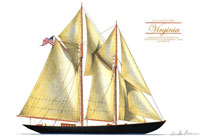 In 2007 the schooner Virginia won the great Chesapeake Bay Schooner race, establishing a record time which remains unbeaten. This year, sadly, while the other schooners raced, she remained tied to a dock in Norfolk, Virginia.
 The story goes that the pirate, Edward Teach, better known as
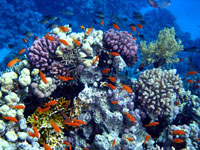 Today is Blog Action Day where bloggers around the wold are posting about a common theme – water. Most, no doubt, will be blogging about the almost a billion people in the world who do not have access to clean drinking water. This is an immediate problem which should be addressed. I have decided to blog to about another problem, not quite so immediate and not as easy to understand but still a serious threat to all of us – ocean acidification.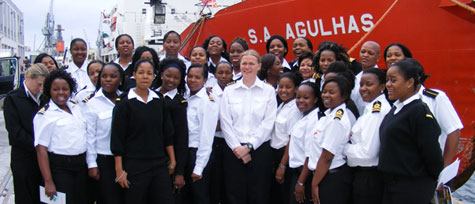
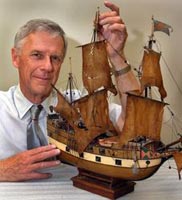
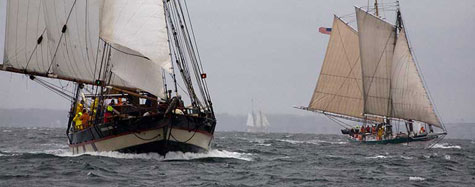
 Today, October 13th, is celebrated as the

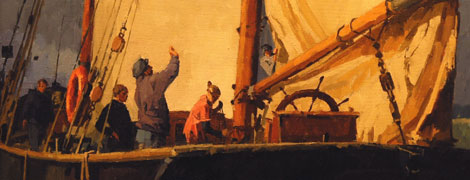

 Today is Columbus Day in the United States (and Thanksgiving Day in Canada. Happy Thanksgiving Canadians.) Columbus Day is celebrated tomorrow in Spain.