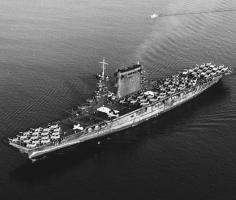
 When was the first surprise attack by carrier aircraft on the US naval base at Pearl Harbor, Hawaii? The obvious answer is the Japanese carrier attack of December 7th, 1941. But what about February 7th, 1932?
We posted yesterday about the recent discovery of the wreck of the USS Lexington. Here is a fascinating bit of forgotten history about the “Lady Lex” and her sister carrier, USS Saratoga.
Early on the Sunday morning of February 7, 1932, the aircraft carriers USS Saratoga and USS Lexington launched a surprise attack on Pearl Harbor. Instead of high explosive bombs, they dropped sacks of flower and scored direct hits on the airfields and all the ships in the harbor.
 The wreckage of the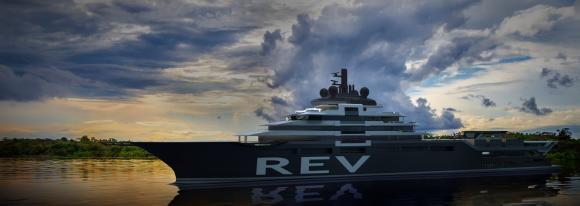
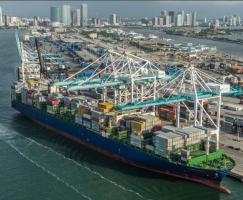 As if the waters off North Carolina’s Outer Banks aren’t dangerous enough, this morning the
 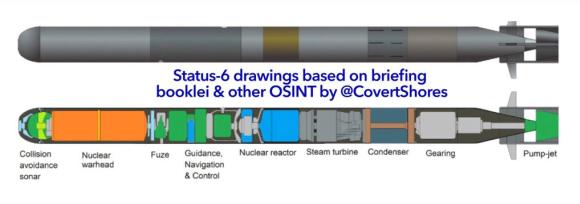 In a speech yesterday,
 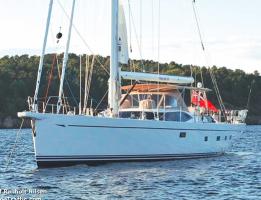 Alexander V. Ezhkov, the owner of the ill-fated Polina Star III, has a
 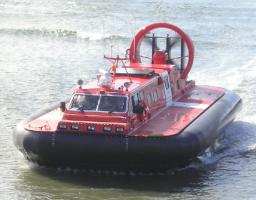 Next Wednesday, March 7th, at 6PM,
 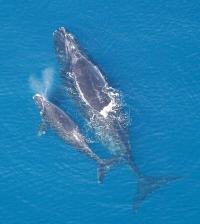 2017 was a disastrous year for the North Atlantic right whale and 2018 looks no better. In fact, it could be worse. Last year 17 North Atlantic right whales, died which is more than died in the past five years combined. Even worse, during this year’s breeding season, which typically runs from November through February, no newly-born calves have been sighted.
 Last weekend, gold ingots and coins valued at $40 million salvaged from the wreck of the
  Around 1779, a portrait of two young women was commissioned by
 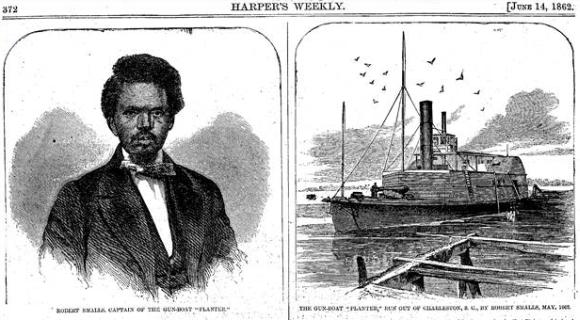 Here is a story well worth retelling. An updated repost from 2012. The remarkable story of Robert Smalls.
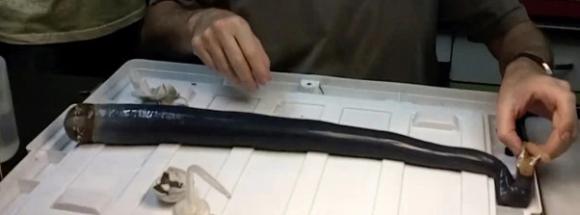 For years, naturalists have found the shells of giant shipworms, but have not located the giant shipworm itself. Last spring, that changed. Giant shipworms were discovered buried in the mud in a Philippine mangrove swamp.
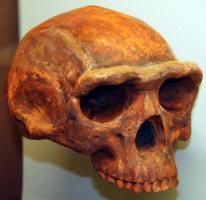 The timeline for when humans first took to the seas keeps getting moved back. A few years ago, stone tools were found on the