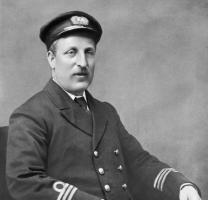
 One hundred and one years ago today, on July 27th, 1916, Captain Charles Fryatt was executed by the Imperial German Navy for attempting to ram the German U-boat, U33, with the 1902-built passenger ferry, SS Brussels, owned by the Great Eastern Railway.
In March of 1915, near the Maas light-vessel off the Dutch coast, U33 surfaced and ordered the Brussels to stop. Captain Fryatt believed that the submarine was loading a torpedo to sink the ferry and he ordered full speed ahead attempted to ram the submarine, forcing it submerge without damage. SS Brussels escaped and Captain Fryatt was awarded a gold watch by the Admiralty for valor. The watch was inscribed: Presented by the Lords Commissioners of the Admiralty to Chas. Algernon Fryatt Master of the S.S. ‘Brussels’ in recognition of the example set by that vessel when attacked by a German submarine on March 28th, 1915.
 Originally posted on
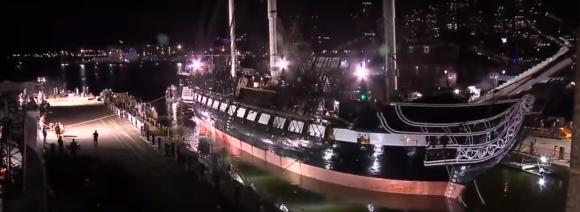 After a two year drydocking for restoration work,
 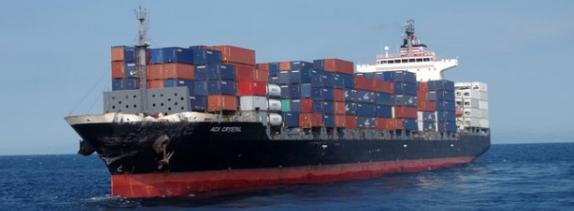 One recurring comment related to the
 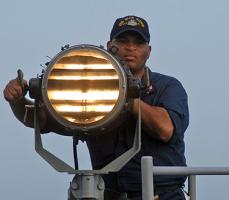 In 1867, Royal Navy Captain, and later Admiral, Philip Colomb, worked out a system to send signals by a code of dots and dashed using
 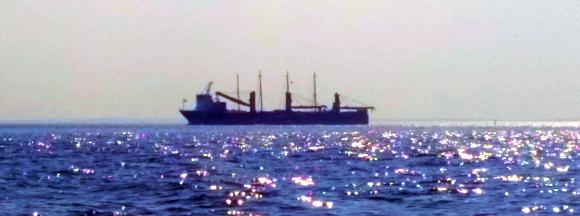 The ship was just a silhouette in the haze as we sailed into New York harbor. We were on the last leg of the delivery of my new/old sailboat Arcturus from southern Virginia to Oyster Bay, Long Island. The ship in the distance looked odd. The ship’s deck-house was forward with three pedestal cranes aft. What was strange was the other rigging, which at first looked like four king posts, rising from the deck. Why would a ship with pedestal cranes also have king posts?
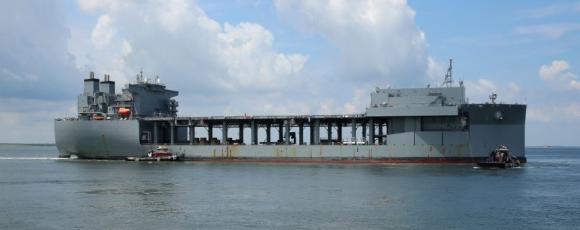 The USNS
 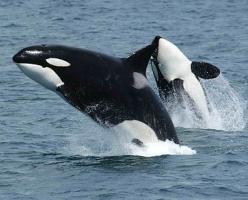 Since at least the 1960s there have been reports of
 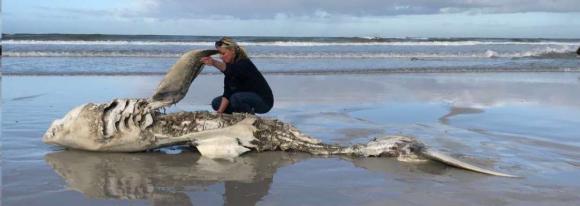 Along the shore of South Africa, at least four great white sharks have washed ashore with their livers almost surgically removed. Two were also missing their hearts. The culprit appears not to be human. All indications seem to suggest that orcas have removed the organs from the sharks, causing them to bleed out. One male shark carcass was found on June 24 in a relatively fresh state of decomposition, missing not just its liver, but its stomach and testes as well.
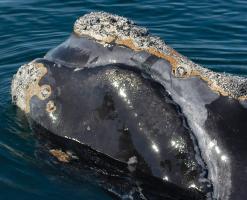 Last week, Joe Howlett, 59, a Canadian fisherman and a founder of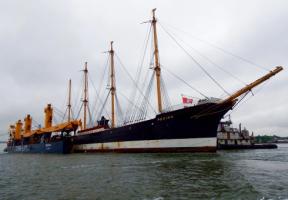
 Some 400 divers and snorkelers rocked-out to a unique sub-sea concert that promoted reef protection on part of the world’s third-largest living coral barrier reef last Saturday. The