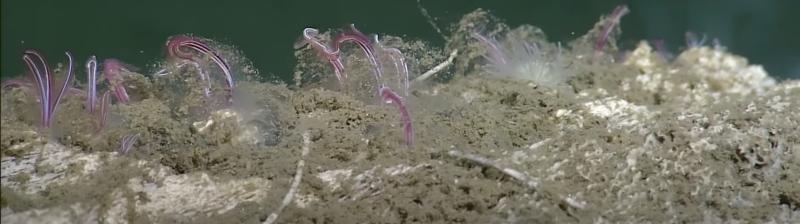
 Bones left on land can survive for a very long time. The fossil bones of dinosaurs on display in museums around the world are testaments to their durability. Underwater, however, the situation can be very different. Weird and oddly wonderful so-called zombie worms can slowly devour huge whales skeletons. These 1 to 3-inch Osedax worms were first discovered in 2002, living in the bones of a rotting gray whale on the deep seafloor, nearly 10,000 feet deep in Monterey Bay. Since then 32 different species of these worms have been identified.
Remarkably, the worms lack both mouths and digestive organs. They eat away the whalebone by producing acid from their skin that dissolves bone, releasing the fat and protein trapped inside. As the bone is eaten away the worm establishes a “root system” that burrows into the bone. The fats are consumed by symbiotic bacteria. Exactly how the zombie worm itself is fed is not entirely clear. Nevertheless, the worms can devour a sunken whale skeleton in as little as a decade.
 If anyone doubts that the coronavirus pandemic is having a negative impact on the national defense of the United States, one need only look at the expanding Covid-19 hotspot in the White House itself. A recent
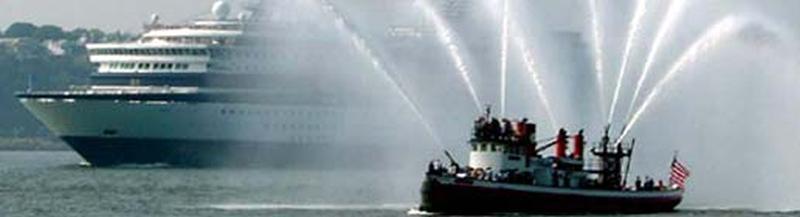 Like so many other organizations, the
 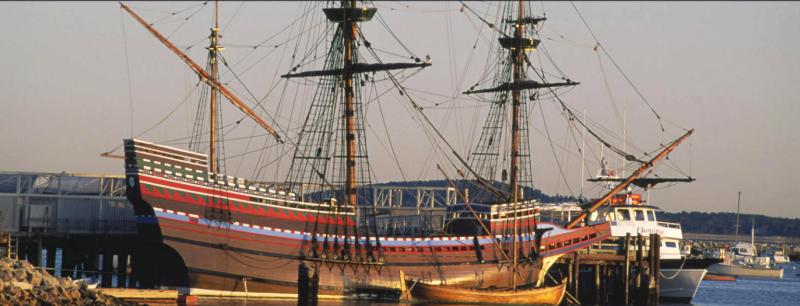 On the upcoming 400th anniversary of the arrival of the Pilgrims on the Mayflower, the ongoing pandemic has seriously disrupted plans for the commemoration. The replica ship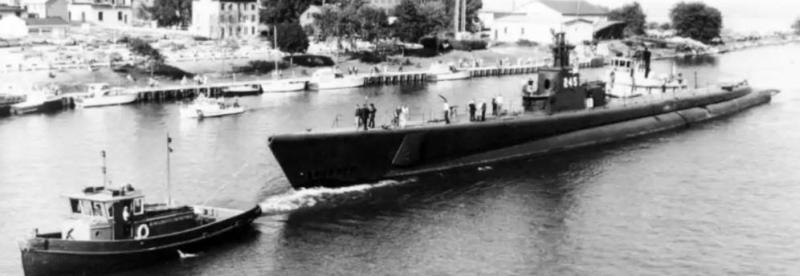

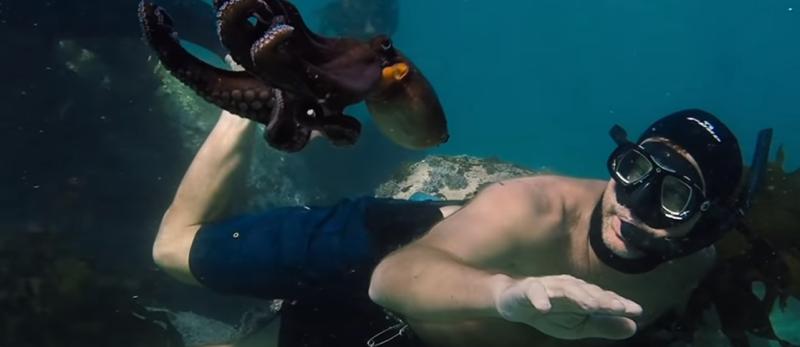 Octopuses are often referred to as being akin to
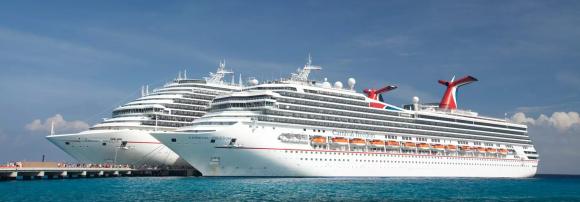 The cruise ship industry effectively shut down in the middle of last March due to outbreaks of the coronavirus on several ships. The Center for Disease Control (C.D.C.) has issued a series of “
 The second of two wonderful books recently released by
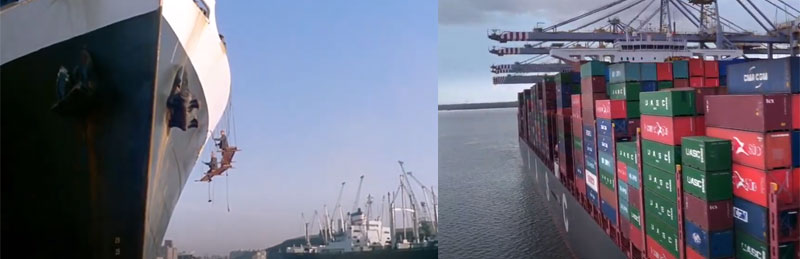 Here are two short videos that provide a glimpse at the revolution in cargo shipping in the UK (and the world) over the last half-century. The first video, “
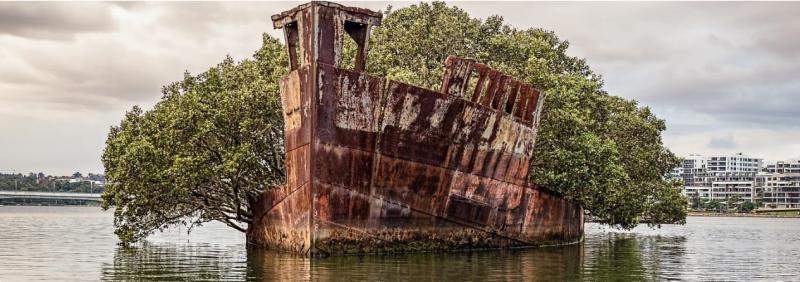 The steam collier SS Ayrfield was 61 years old. Formally called the Corrimal, the 1,140-tonne ship, ran coal between Newcastle and Sydney before serving as a transport ship for Australia during World War II. After the war, she operated again as a collier between Newcastle and Miller’s terminal in Blackwattle Bay. By 1972, she had reached the end of her useful life and was sent to a scrapyard in Homebush Bay, near Sydney, Australia, to be broken up.