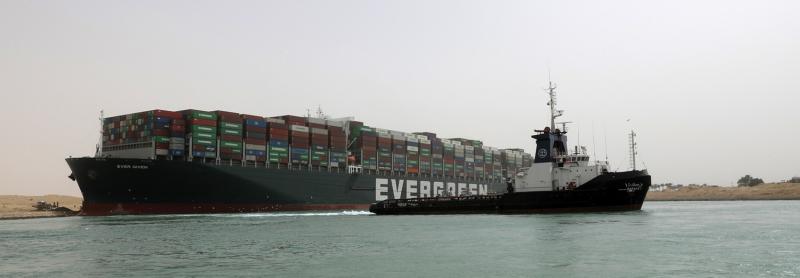
 Reuters is reporting that an Egyptian court has lifted the detention order on the Ever Given container ship, allowing its expected release from the Suez Canal on Wednesday, according to a lawyer and judicial sources.
The Ever Given’s owners and insurers announced on Sunday that they had reached a settlement with the Suez Canal Authority (SCA) over compensation for the ship becoming grounded in March and blocking traffic in the waterway. The amount of the settlement has not been announced. The SCA initially demanded $916m in compensation to cover salvage efforts, reputational damage, and lost revenue. The demand was later lowered to $550 million.
 An updated repost from several years ago, still fitting for the day.
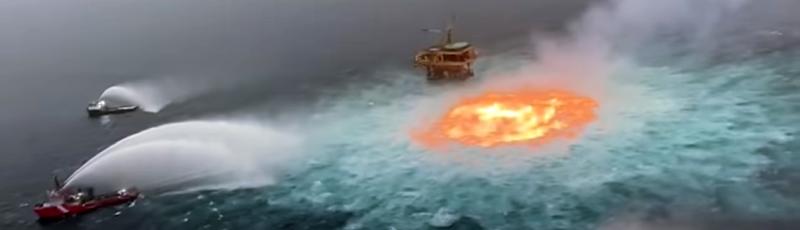 Early Friday, bright orange flames boiled from the Gulf of Mexico off the Yucatan peninsula caused by a gas leak in an underwater pipeline. Resembling molten lava, the eruption of flames was dubbed an “eye of fire” on social media. The fire, near a Mexican state oil company Pemex drilling platform, burned for five hours before being fully extinguished.
 One hundred and five years ago today, Americans learned to be afraid of sharks. An updated repost.
 The salvors attempting to cut up the shipwreck of the car-carrier
  The
The 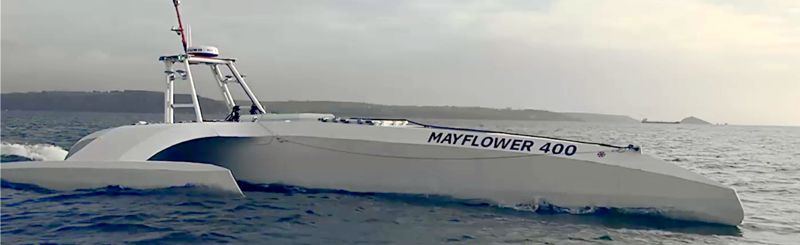 In September 2020, we posted about the unveiling of an autonomous craft named Mayflower, after the Pilgrim’s ship of 1620. The post title posed the question,
  Commodore David Hughes, believed to be the Royal Navy’s oldest veteran, has died, just shy of his 107th birthday. An excerpt from the obituary on the
 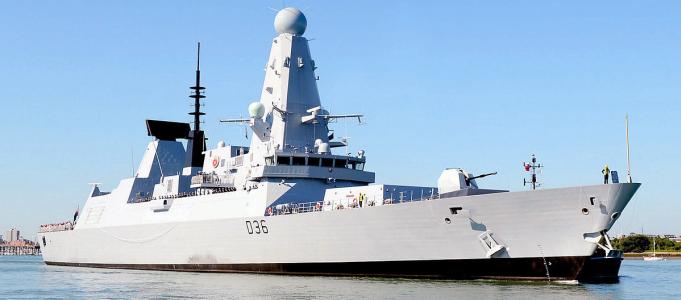 Yesterday, more than 20 Russian aircraft and two coastguard ships shadowed the Royal Navy destroyer,
 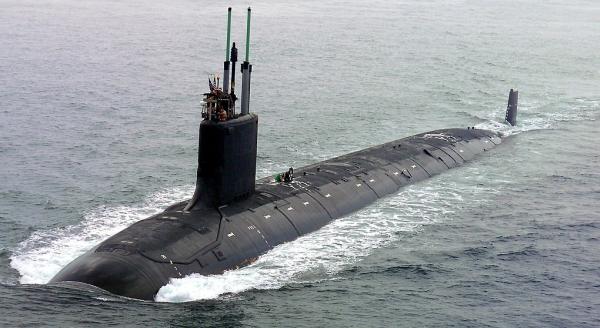 The US Navy is having a problem with its