
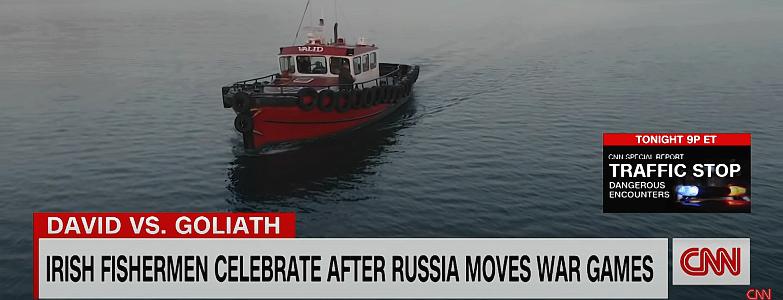
 Russia planned on holding naval exercises off the coast of Ireland. Fishermen from County Cork on Ireland’s southern coast saw the exercises as a threat to their livelihood and threatened to continue fishing as usual, despite the threatened use of naval artillery and rockets in the area. They stated, “Our presence is our protest.”
Remarkably, the Russia military backed down, announcing the exercises would be moved as “a gesture of goodwill” after appeals from the Irish government and the fishermen, “with the aim not to hinder fishing activities.”

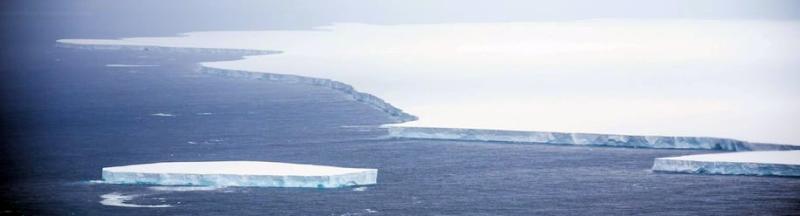 Iceberg A68a, once the world’s largest iceberg, is now gone, broken up into chunks too small to track. While the iceberg is recent history, scientists are still studying its impact.
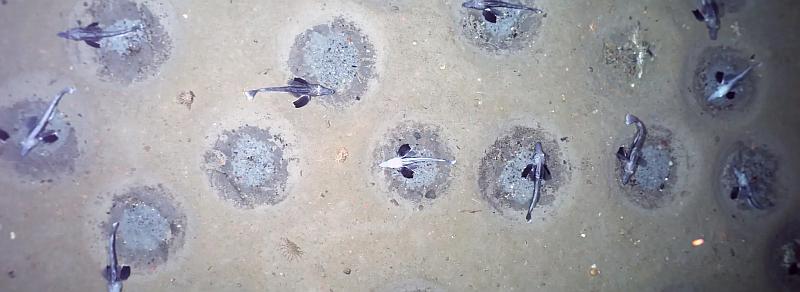 In February 2021, researchers on the German research vessel
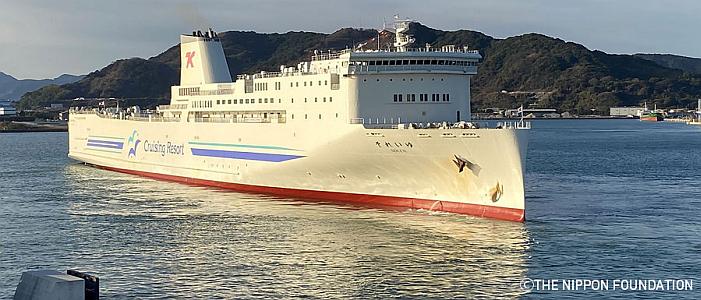 The
The 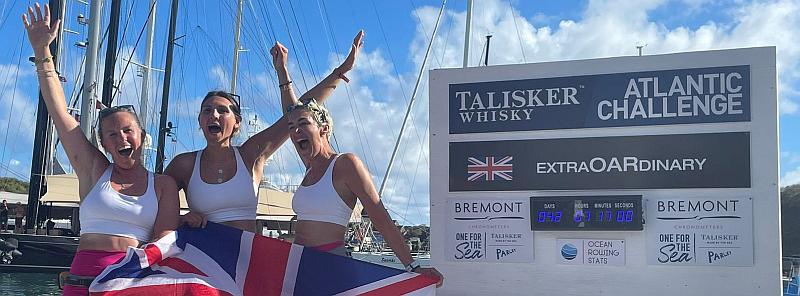
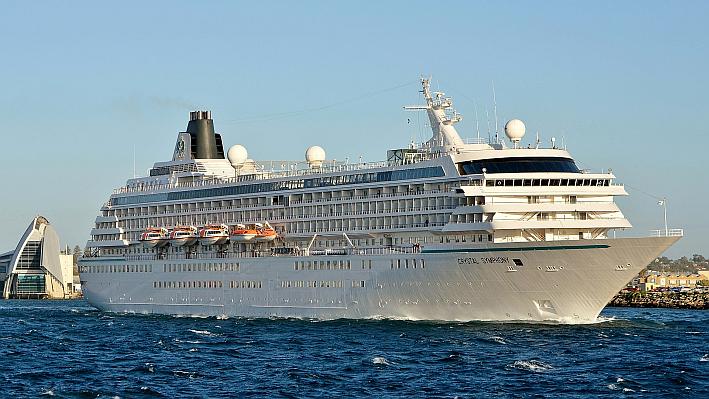
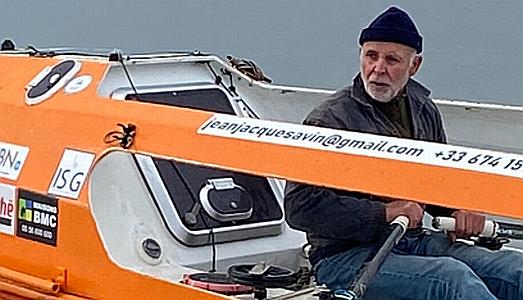


 The
The 
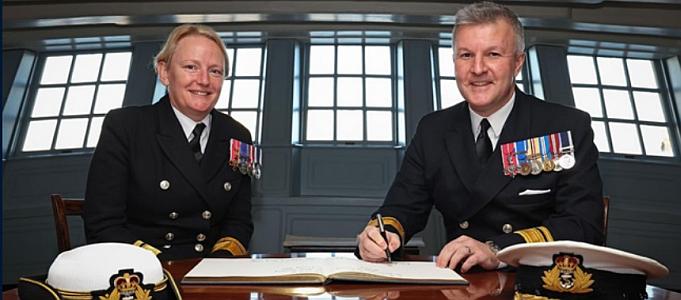 Congratulations to ex-Commodore